.svg)

.svg)

Which Remodeling Projects Add the Most Value?

Which Home Remodeling Projects Add the Most Value? A 2026 ROI Guide
A remodel improves how you live today, but for many homeowners it's also an investment in the home's future value. Not all projects return the same. Some meaningfully strengthen resale value and buyer appeal, while others are worth doing purely for enjoyment even if they don't return dollar-for-dollar. Knowing the difference helps you invest wisely. This guide breaks down which home remodeling projects tend to add the most value, and how to think about return on investment in a market like the Greater Eastside.
For the foundational overview, start with our Complete Guide to Home Remodeling in 2026.
How to Think About Remodeling ROI
Return on investment in remodeling is often misunderstood. It's tempting to look for projects that "pay for themselves," but ROI is more nuanced than a simple percentage. A remodel delivers value in several ways at once: resale value, daily enjoyment and functionality, and how quickly and attractively a home sells. The best investments balance all three.
It's also worth remembering that ROI figures are averages drawn from broad markets. Your actual return depends on your home, your neighborhood, the quality of the work, and local demand. The Cost vs. Value Report from Remodeling magazine is the most widely cited resource tracking how projects perform on resale, and it's a useful directional guide, though local realities always matter more than national averages.
Kitchens: The Heart of Value
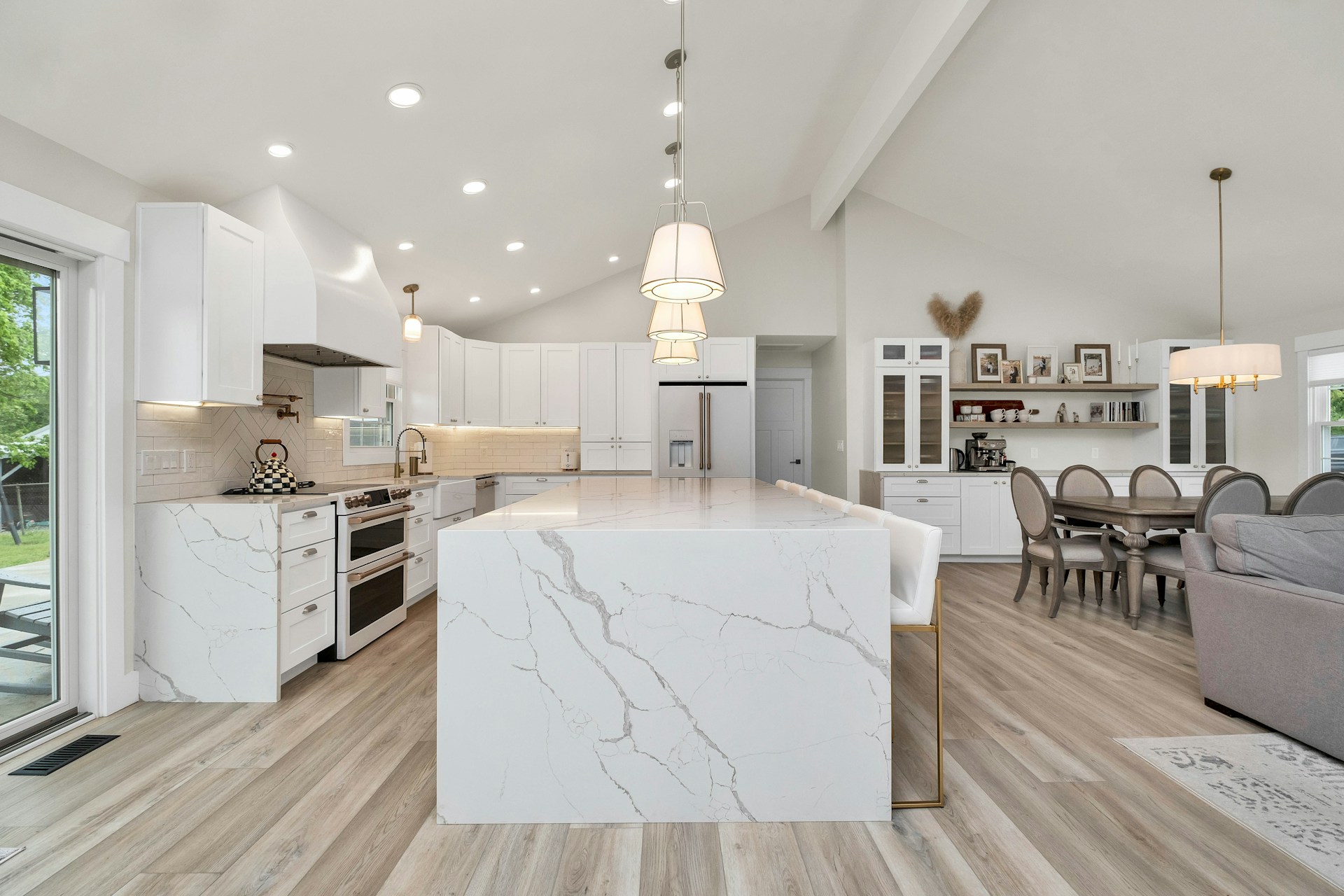
Kitchens consistently rank among the highest-impact remodeling projects, and for good reason. The kitchen is where daily life and entertaining converge, and it's often the first space buyers evaluate. A well-executed kitchen remodel improves function, modernizes the look, and signals quality throughout the home.
The strongest returns typically come from thoughtful, midrange-to-upscale kitchen updates rather than the most extravagant possible renovation. Improved layout, quality cabinetry and surfaces, good lighting, and updated appliances deliver both daily satisfaction and resale appeal. Our kitchen remodeling services focus on exactly this balance of beauty, function, and durability.
Bathrooms: High Impact in a Small Footprint
Bathrooms are another reliable value driver. Because they're compact, a bathroom remodel can transform a space without the cost of a large renovation, and updated bathrooms strongly influence how buyers perceive a home. Primary bathroom upgrades and the addition of a well-designed bathroom where a home is short on them both tend to perform well.
The keys are quality construction, especially proper waterproofing and ventilation, and finishes that feel current without being trend-dependent. Our bathroom remodeling services emphasize the correct construction behind the finishes, which is what makes an update last.
Layout and Open-Concept Improvements
Beyond individual rooms, improving a home's layout can add substantial value. Many homes, particularly those built in earlier decades, have compartmentalized floor plans that feel dark and disconnected to today's buyers. Opening up living spaces, improving flow, and increasing natural light can dramatically change how a home feels, often without adding square footage.
These improvements usually involve structural work, such as removing load-bearing walls and installing beams, which is where professional expertise matters. Done well, an open, light-filled layout is one of the most appealing features in the current market.
Adding Functional Space
Creating usable space adds value, especially when it addresses a home's shortcomings. Finishing a basement, converting underused areas, or adding a bedroom, home office, or primary suite can all deliver strong returns, particularly when the added space fills a need buyers care about. Home offices, for example, have become far more sought-after, reflecting how people live and work today.
Accessory dwelling units are another increasingly valuable addition in many communities, offering flexibility for guests, family, or rental income. Whether a given project pays off depends heavily on local demand and regulations, which is why understanding your specific market matters.
Systems and Efficiency Upgrades
Not all value is visible. Upgrading electrical, plumbing, HVAC, insulation, and windows improves comfort, lowers operating costs, and reassures buyers that a home has been well maintained. Energy-efficient improvements in particular have growing appeal; resources like ENERGY STAR highlight upgrades that reduce energy use and cost.
While efficiency upgrades may not show up as dramatically in resale figures as a new kitchen, they protect value by keeping a home current, comfortable, and free of the deferred-maintenance red flags that make buyers hesitate.
Curb Appeal and First Impressions
First impressions carry real weight. Exterior improvements, entry updates, and clean, well-maintained facades shape how buyers feel before they ever step inside. While this guide focuses on interior remodeling, it's worth remembering that the value of an excellent interior renovation is amplified when the home presents well from the street.
Projects Worth Doing for You, Not Just Resale
Some remodels don't return their full cost at resale but are absolutely worth doing for the years you'll enjoy them. Highly personalized spaces, specialized rooms, and luxury features reflect your lifestyle rather than the broadest buyer appeal. There's nothing wrong with these projects; the important thing is to undertake them knowing they're for your enjoyment, not primarily as financial investments. A clear-eyed understanding of which projects are which helps you allocate your budget intentionally. Our cost and budgeting guide can help you think this through.
Value in the Greater Eastside Market
Local context shapes return significantly. The Eastside's strong housing market, high buyer expectations, and quality-focused communities mean well-executed remodels tend to hold value especially well. But the calculus differs across neighborhoods, from Bellevue to the surrounding cities, each with its own housing stock, buyer profile, and price expectations.
In higher-end communities, quality and craftsmanship carry particular weight; buyers expect a certain standard, and a remodel that meets it protects and enhances value. In all cases, the quality of execution is decisive. A poorly done remodel can actually detract from value, while an excellent one strengthens it. Broad research from the Harvard Joint Center for Housing Studies and the National Association of Home Builders consistently identifies kitchens, baths, and systems as core categories of value-adding investment.
Why Professional Execution Protects Your Return
It's worth emphasizing a point that underlies everything else in this guide: the quality of execution is what turns a remodel into a value-adding investment rather than a liability. The same project, one done with skilled craftsmanship and correct construction, the other done cheaply and carelessly, can have opposite effects on a home's value. Buyers, and the inspectors they hire, can tell the difference.
Professional execution protects your return in concrete ways. Correct construction behind the finishes means no hidden problems to surface at inspection. Quality materials and craftsmanship age well and continue to look and perform their best for years. Proper permitting means no complications at resale. And a cohesive, well-designed result appeals broadly to buyers. Working with an experienced, licensed remodeler isn't just about a better process; it's directly tied to whether your investment holds its value. For guidance on choosing the right team, see our article on selecting a remodeling approach and contractor.
How to Maximize Your Return
To get the most value from a remodel, keep a few principles in mind:
- Prioritize kitchens, bathrooms, and core living areas. These deliver the most consistent returns.
- Invest in quality execution. Craftsmanship is what makes value durable; cutting corners undermines it.
- Match your market. Align the level of your remodel with your neighborhood and buyer expectations.
- Don't neglect systems. Behind-the-walls improvements protect value even if they aren't glamorous.
- Choose timeless over trendy. Classic, well-made choices age better than of-the-moment finishes.
Cost Recouped Versus Total Value
When people talk about remodeling ROI, they usually mean the percentage of a project's cost recovered at resale. It's a useful figure, but it tells only part of the story, and taking it too literally can lead to poor decisions.
Consider the years of use you get from a remodel before you ever sell. A kitchen that returns, say, a large share of its cost at resale has also given you daily enjoyment, better function, and a home you love in the meantime, value that never appears in a cost-recouped percentage. Conversely, a project with a lower resale return might still be entirely worth it if it transforms how you live.
There's also the matter of how a remodel affects the sale itself. Updated, move-in-ready homes tend to sell faster and attract more interest, which has real value even beyond the price. And avoiding the opposite, a dated home that lingers on the market or invites lowball offers, is a form of return too. The smartest way to think about ROI is holistically: resale value, daily enjoyment, and marketability together, not a single percentage in isolation.
How Neighborhood and Market Timing Affect Return
The same remodel can return very differently depending on where and when it's done. Two factors matter especially.
Neighborhood fit. Over-improving relative to your neighborhood tends to cap your return, while under-improving in a high-end area can leave value on the table. The goal is to align your remodel with your market: match the level of finish and scope to what buyers in your area expect. This is why local context is so important, and why the calculus differs across Eastside communities.
Market conditions. Buyer demand, inventory, and broader market trends all influence how much a remodel returns at a given moment. You can't perfectly time the market, but you can make sound choices, quality work in the spaces buyers value, that hold up across market cycles rather than betting on any single moment.
Because these dynamics are so local, the best value guidance comes from understanding your specific home and neighborhood, something a knowledgeable local remodeler can help you assess.
Remodel or Move: Which Makes More Sense?
For many homeowners, the real question isn't just which remodel to do, but whether to remodel at all versus moving to a home that already fits. It's a personal decision, but a few considerations help clarify it.
Moving carries substantial costs that are easy to overlook: agent commissions, closing costs, taxes, moving expenses, and often a higher price for a larger or updated home, plus the disruption of relocating. Remodeling lets you stay in a location, neighborhood, and community you value, and tailor your existing home precisely to your needs. In a strong, high-priced market like the Eastside, where moving is expensive and desirable homes are hard to find, remodeling is often the more sensible path, especially when a home's location and bones are good but its layout or finishes are dated. Our cost guide can help you weigh the numbers.
Mistakes That Undermine Remodeling ROI
Just as some choices strengthen return, others erode it. Avoid these common pitfalls:
- Poor-quality execution. A cheaply done remodel can actually reduce value; craftsmanship is what makes value durable.
- Over-personalizing. Highly idiosyncratic choices may delight you but narrow buyer appeal. Save bold personalization for spaces where it won't hurt resale, and keep core areas broadly appealing.
- Over-improving for the neighborhood. Building far beyond your area's norm limits how much you can recoup.
- Chasing trends. Of-the-moment finishes date quickly; timeless choices age better and protect value.
- Skipping permits. Unpermitted work is a serious liability at resale and can destroy the value a remodel was meant to add. See our permits and approvals guide.
- Neglecting the unseen. Ignoring systems and structure in favor of surface-level upgrades leaves problems that surface during inspection.
Final Thoughts on Remodeling Value
The remodels that add the most value are rarely the flashiest; they're the well-planned, well-executed projects that improve the spaces buyers care about most, kitchens, bathrooms, layout, and functional space, while keeping a home current and well-maintained. Approach your remodel with both enjoyment and value in mind, invest in quality, and match your project to your market, and you'll build a home that's better to live in and worth more when it's time to sell.
If you'd like guidance on which projects will deliver the best return for your home and neighborhood, contact AVEAD Construction for a consultation. We'll help you invest where it counts.
References
- Remodeling, Cost vs. Value Report. Available: https://www.remodeling.hw.net/cost-vs-value
- Joint Center for Housing Studies of Harvard University, Improving America's Housing. Available: https://www.jchs.harvard.edu
- National Association of Home Builders (NAHB), Remodeling Market Index. Available: https://www.nahb.org
- ENERGY STAR, U.S. Environmental Protection Agency. Available: https://www.energystar.gov
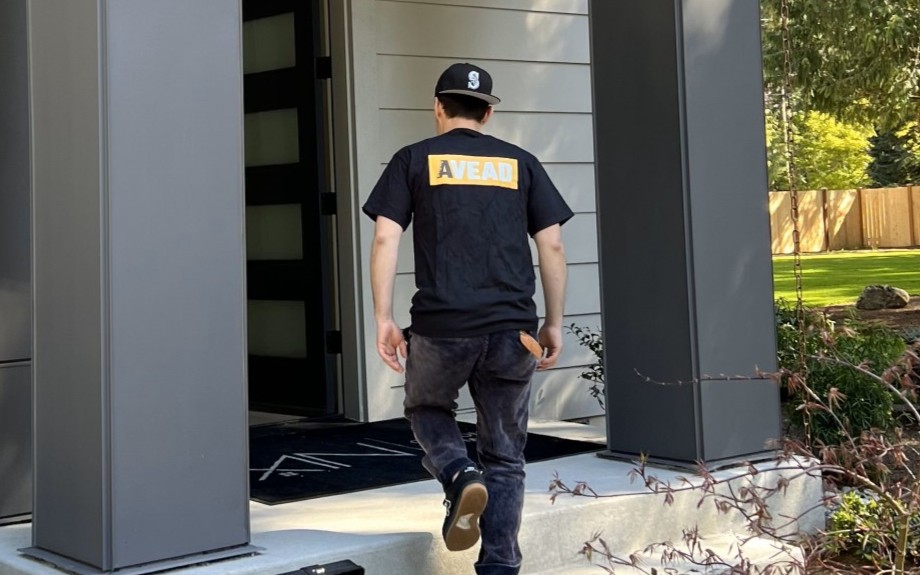
Explore AVEAD’s full-service remodeling solutions.




.svg)


.svg)

Recommended Articles
Which Remodeling Projects Add the Most Value?

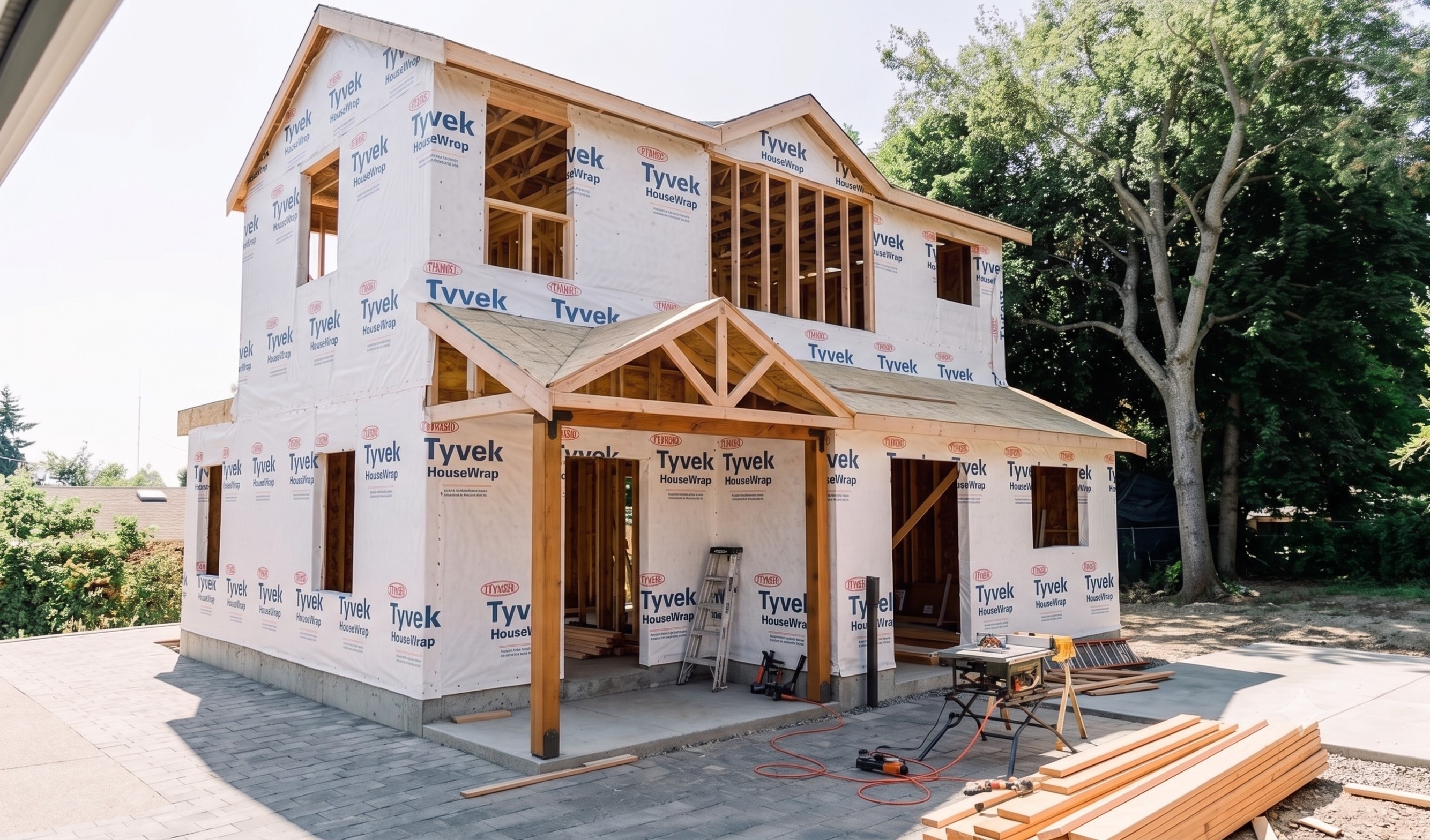
How Long Is The Home Remodeling Timeline
Design-Build vs. Hiring an Architect and Contractor?
For more than 20 years, AVEAD has transformed homes through expert remodeling, precise design, and trusted craftsmanship.



.svg)







.svg)