.svg)

.svg)
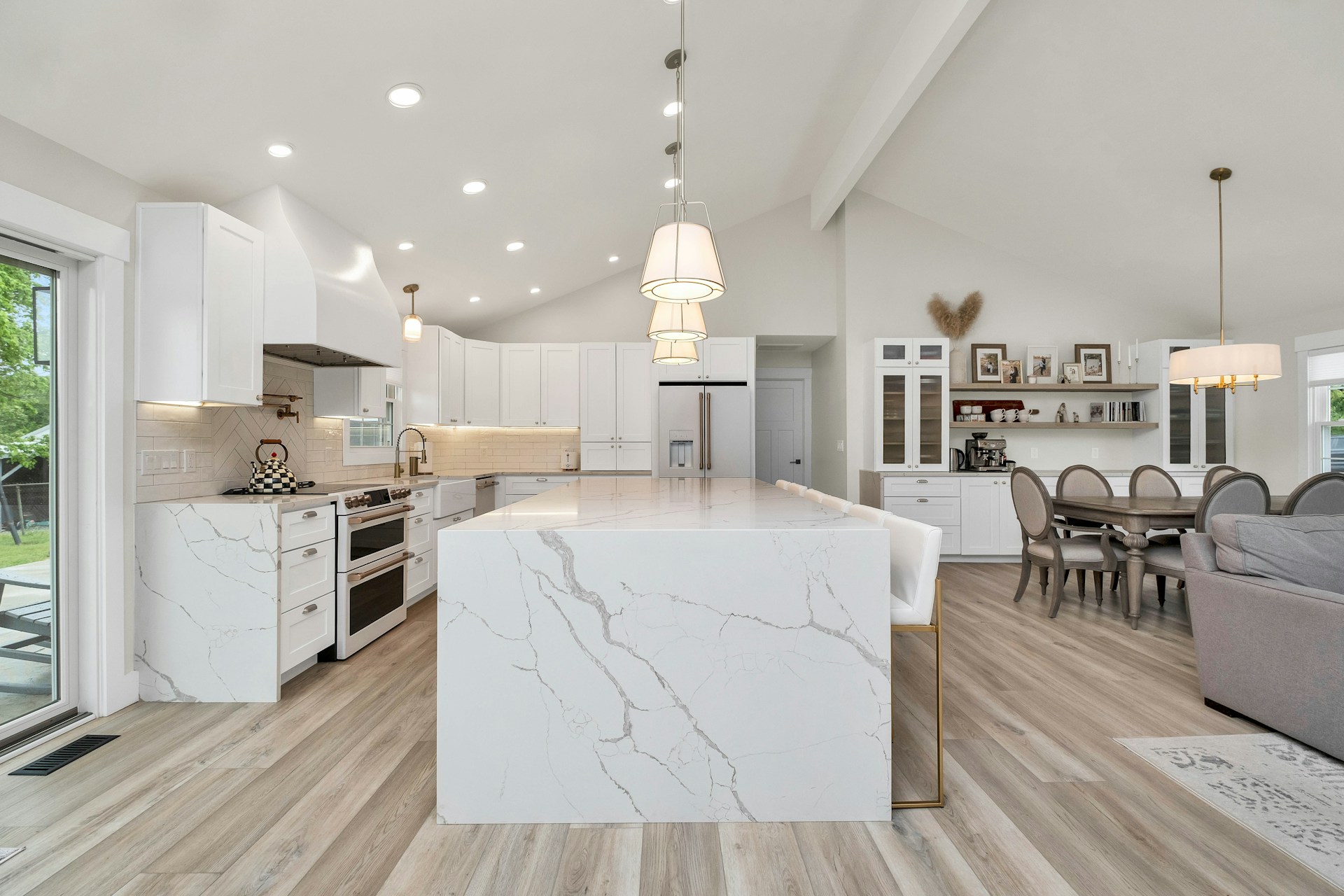
Design-Build vs. Hiring an Architect and Contractor?

Design-Build vs. Hiring an Architect and General Contractor: Which Remodeling Approach Is Right for You?
One of the most consequential decisions you'll make in a remodel happens before a single wall comes down: how you structure the project. The traditional path splits the work between an architect who designs and a general contractor who builds. The design-build path unites both under one roof. Each has merits, and the right choice shapes your timeline, your budget, your stress level, and ultimately your results. This guide explains the difference so you can choose with confidence.
For the bigger picture of how a remodel unfolds start to finish, see our Complete Guide to Home Remodeling in 2026.
The Traditional Design-Bid-Build Model
In the conventional approach, sometimes called design-bid-build, you hire separate parties for design and construction. You start with an architect or designer who develops plans. Once those plans are complete, you take them to contractors, gather competitive bids, select one, and construction begins.
This model has a long history and real strengths, particularly for highly custom architectural work. But it also has structural weaknesses. Design happens in isolation from construction cost and feasibility, which means plans can come back over budget or impractical to build as drawn. When issues arise during construction, responsibility can become murky, with the architect and contractor pointing at each other. And because the phases are sequential, the overall timeline is often longer.
Where the Traditional Model Works Well
For projects driven primarily by bold, highly custom architecture, or where a homeowner already has a strong relationship with a specific architect, the traditional model can be the right fit. It gives the designer independent authority over the vision and allows for competitive bidding on a completed design.
The Design-Build Model
Design-build unifies design and construction under a single accountable team. Instead of handing off a finished design to a separate builder, the design and construction sides collaborate from the beginning. The people who will build your remodel are involved while it's still being designed, which means every decision is made with cost, feasibility, and craftsmanship in mind.
This integration is the core advantage. It closes the gaps where miscommunication, delays, and budget surprises tend to appear, and it gives you one point of contact and one party accountable for the whole project. At AVEAD Construction, this is how we work, because it consistently produces smoother projects and more cohesive results. You can see our approach on our home remodeling services page.
Key Benefits of Design-Build
- Single-point accountability. One team owns the outcome, so there's no finger-pointing when questions arise.
- Budget alignment from day one. Design decisions are checked against real construction costs as they're made, not discovered to be unaffordable after the plans are done.
- Faster timelines. Design and pre-construction planning can overlap, and the handoff delays of the traditional model largely disappear. Our home remodeling timeline guide shows how this plays out.
- Better communication. You're working with a coordinated team rather than mediating between separate parties.
- More cohesive results. Because one team carries the vision from concept to completion, the finished home feels intentional rather than pieced together.
Comparing the Two Approaches
The clearest way to understand the difference is to look at how each model handles the parts of a project that matter most.
Accountability
In the traditional model, accountability is split. The architect is responsible for the design, the contractor for the build, and the space between them is where problems often live. In design-build, a single team is accountable for everything, which simplifies your life considerably when decisions and issues come up.
Budget
Traditional projects risk a gap between the designed vision and the buildable budget, because pricing happens after design. Design-build keeps design and budget in constant conversation, so you're far less likely to fall in love with plans you can't afford to build. For more on budgeting, see our home remodel cost guide.
Timeline
Because the traditional model is sequential, design fully completes before bidding and construction begin. Design-build allows these phases to overlap and eliminates the rebidding cycle, which typically shortens the overall schedule.
Communication
Managing separate design and construction relationships puts the homeowner in the middle. Design-build gives you a coordinated team and a single line of communication, which reduces both effort and misunderstanding.
What About Just Hiring a General Contractor?
Some homeowners skip formal design entirely and hire a general contractor to execute a straightforward project. For simple, well-defined work with no significant design or structural component, this can be perfectly reasonable. But for anything involving layout changes, structural modifications, or meaningful design decisions, going without proper design planning is risky. Undesigned projects are where scope creep, poor decisions, and disappointing results tend to happen.
A design-build firm bridges this gap by providing both design expertise and construction capability, so you get the benefits of thoughtful planning without the fragmentation of hiring multiple separate parties.
How to Choose the Right Contractor, Whatever the Model
Regardless of which approach you choose, vetting the professionals you hire is essential. The right partner makes the difference between a smooth, rewarding remodel and a stressful one.
- Verify licensing and insurance. In Washington, you can confirm a contractor's registration and standing through the Washington State Department of Labor & Industries, which maintains a public contractor verification tool at verify.lni.wa.gov.
- Review a portfolio of completed work. Look for projects similar in scope and quality to what you're planning.
- Look for local permitting knowledge. Requirements vary by city, and experience with your jurisdiction matters. See our permits and approvals guide.
- Expect clear communication and transparency. Vague estimates, pressure to decide quickly, or reluctance to explain the process are warning signs.
- Ask about their process. A structured, well-defined project management process is a strong indicator of a professional team.
Professional organizations such as the National Association of the Remodeling Industry also maintain standards and resources that can help you evaluate remodeling professionals.
Above all, look for transparency and trust. A remodel is a significant undertaking, and you'll be working closely with your team for weeks or months. A contractor who communicates openly, explains their reasoning, welcomes your questions, and puts everything, scope, schedule, payments, and warranty, in a clear written agreement is one you can build a productive relationship with. Trust built at the outset, through honesty and clarity, is what carries a project smoothly through the inevitable decisions and adjustments along the way.
What to Expect Working With a Design-Build Firm
If you've never worked with a design-build company, it helps to know how the experience unfolds. The process is designed to be collaborative and transparent from the first conversation to the final walkthrough.
It begins with a consultation to understand your vision, your home, and your goals, along with an early sense of feasibility and budget. From there, the team develops the design, translating your ideas into detailed plans and realistic 3D renderings while guiding you through material and finish selections. Because construction expertise is built into this phase, the design stays grounded in real cost and buildability as it develops.
Once the design is set, the same team handles permitting, engineering coordination, and scheduling behind the scenes, then moves into construction and carries the project through to a final walkthrough. Throughout, you have one point of contact and one team accountable for the result. This continuity is what makes the experience feel cohesive rather than fragmented, and it's the reason design-build has become the preferred model for so many remodeling projects.
Questions to Ask Before You Hire
Whether you're considering a design-build firm or assembling a traditional team, asking the right questions upfront reveals a great deal about who you're dealing with. Consider asking:
- Are you licensed, bonded, and insured, and can I verify it? Reputable contractors welcome this and can be confirmed through the state.
- Can I see a portfolio of completed projects similar to mine?
- What does your process look like, from first meeting to final walkthrough?
- How do you handle design and budget together, so I don't end up with plans I can't afford?
- How do you communicate during a project, and who is my point of contact?
- How do you handle permitting and inspections in my city?
- What warranty do you provide on your work?
- How are changes and unexpected conditions handled?
The answers tell you not just about competence, but about how a firm communicates and whether they'll be a good partner. Vague, evasive, or high-pressure responses are warning signs; clear, confident, transparent answers are what you're looking for.
Common Myths About Design-Build
A few misconceptions keep some homeowners from considering design-build, so it's worth addressing them directly.
"It's more expensive." In practice, the integration of design and construction tends to reduce costly surprises and rework, and aligning design with budget from the start prevents the expensive redesigns that plague the traditional model. Design-build is frequently more cost-effective overall, not less.
"I lose design quality or control." A good design-build firm brings strong design capability, and because you're collaborating throughout, you have significant input at every stage. You gain a partner who ensures the design is both beautiful and buildable.
"There's no independent check on the contractor." The single-point accountability of design-build actually strengthens your position, because one party owns the outcome and can't shift blame. Combined with a clear contract and warranty, this provides real protection.
When Design-Build Is Especially Valuable
While design-build suits a wide range of projects, there are situations where its advantages are particularly pronounced. Understanding them helps you recognize when the model is worth prioritizing.
Projects with structural changes. When a remodel involves removing walls, adding beams, or altering the structure, the tight coordination between design and construction is invaluable. Structural decisions have real cost and feasibility implications, and having builders involved during design prevents plans that look good on paper but are impractical or expensive to execute.
Whole-home renovations. The larger and more comprehensive the project, the more the integration pays off. Coordinating design, permitting, systems, and multiple spaces is far smoother with a single accountable team than with separate parties. Our guide to whole-home versus room-by-room remodeling explores this scope in detail.
Complex sites and jurisdictions. On properties with challenging conditions, or in communities with design review, view considerations, or critical areas, having one team manage design, engineering, and permitting together avoids the gaps where problems arise.
Budget-sensitive projects. When staying on budget is paramount, aligning design with real construction costs from the first sketch is one of the most effective ways to avoid overruns and painful redesigns.
The Homeowner's Role in a Successful Project
Whichever approach you choose, your involvement shapes the outcome. The most successful remodels happen when homeowners engage thoughtfully: sharing their vision and priorities clearly, making selections and decisions promptly, and trusting their team's expertise while staying informed. A collaborative, communicative relationship between homeowner and remodeler is one of the strongest predictors of a great result. Your team brings the expertise; you bring the vision and the decisions, and together those produce a home that's truly yours. For more on how the phases fit together, see our remodeling timeline guide.
Why the Model You Choose Matters
The structure of your project isn't a technicality; it shapes everything that follows. A well-chosen approach aligns design and budget, keeps communication clear, and puts accountability where it belongs. For most homeowners undertaking a meaningful remodel, particularly one with layout or structural changes, the integration and single-point accountability of design-build removes the most common sources of friction and delivers a more predictable, cohesive result.
Final Thoughts
There's no universally "correct" way to structure a remodel, but there is a right choice for your project, your priorities, and your appetite for managing complexity. The traditional model offers independent design authority and competitive bidding. Design-build offers integration, speed, and a single accountable team. Understanding the trade-offs is the key to choosing well.
If you'd like to talk through which approach fits your remodel, contact AVEAD Construction. As a full-service design-build firm, we're glad to explain how our process works and help you plan a project built around clarity from start to finish.
References
- National Association of the Remodeling Industry (NARI). Available: https://www.nari.org
- Washington State Department of Labor & Industries, Contractor Registration and Verification. Available: https://www.lni.wa.gov
- Joint Center for Housing Studies of Harvard University, Improving America's Housing. Available: https://www.jchs.harvard.edu
Explore AVEAD’s full-service remodeling solutions.




.svg)


.svg)

Recommended Articles
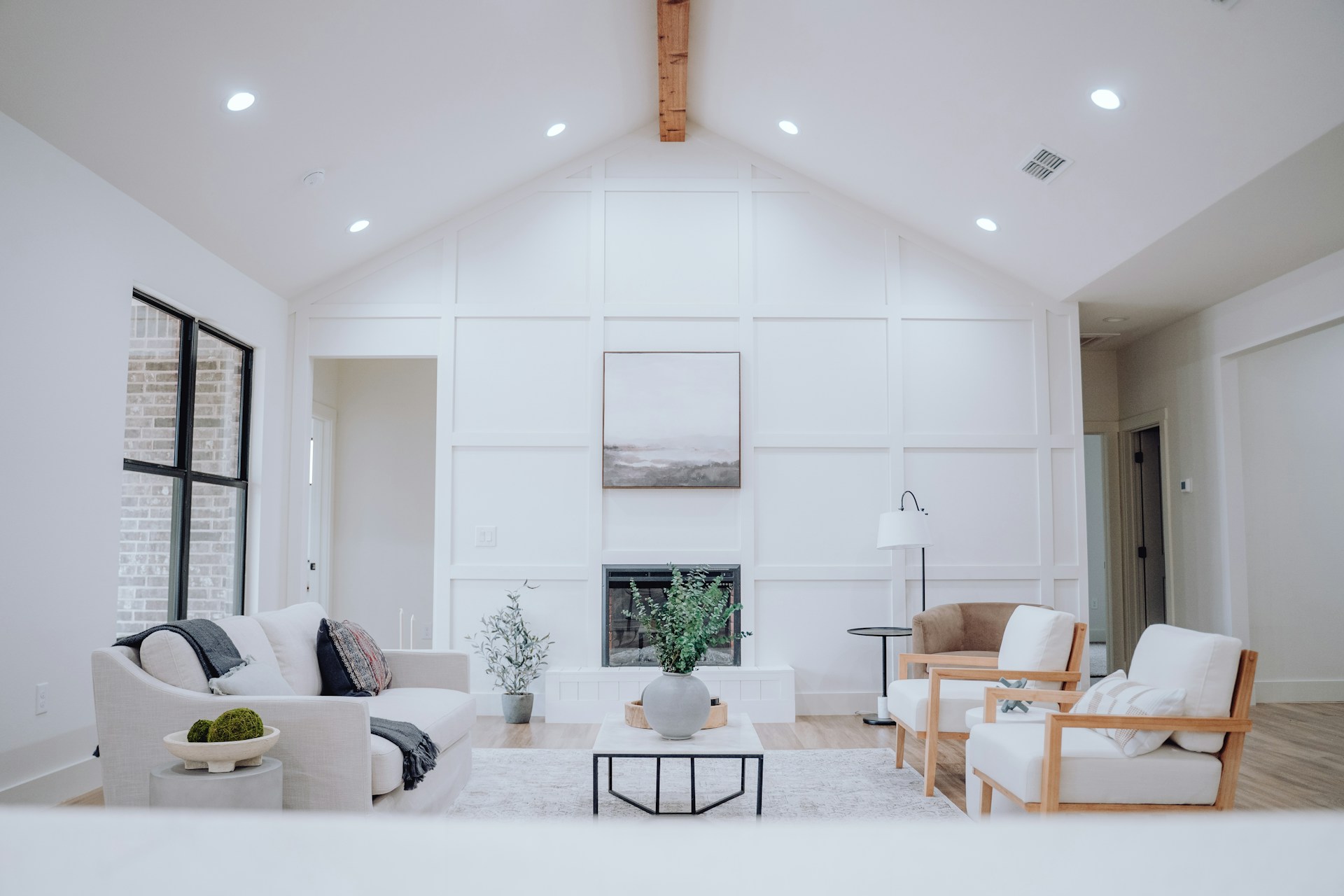
Remodeling Permits, Codes, and HOA Approvals

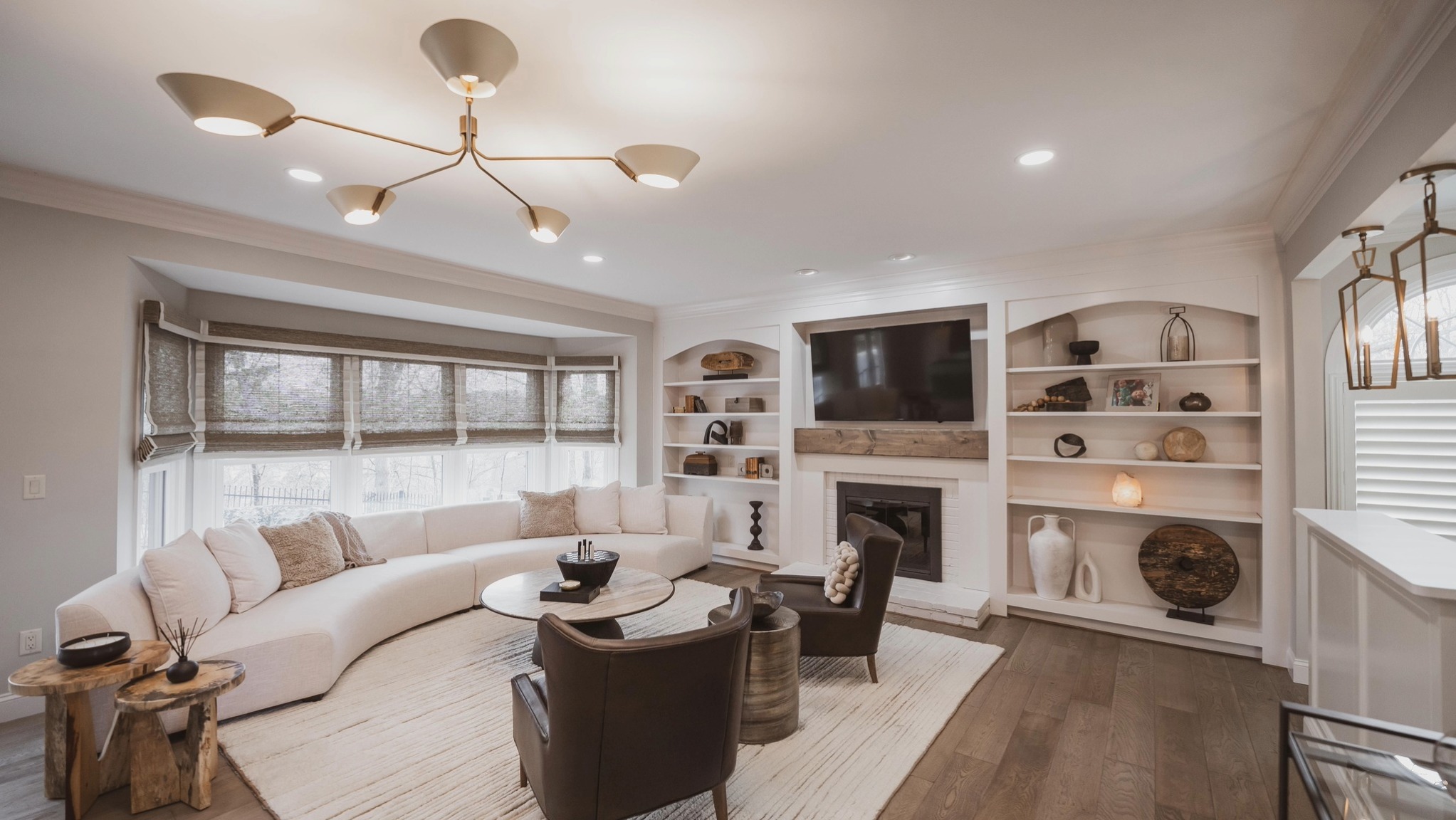
How Much Does a Home Remodel Cost in 2026?
Design-Build vs. Hiring an Architect and Contractor?
For more than 20 years, AVEAD has transformed homes through expert remodeling, precise design, and trusted craftsmanship.



.svg)







.svg)